Common Behavioral Problems in Cats
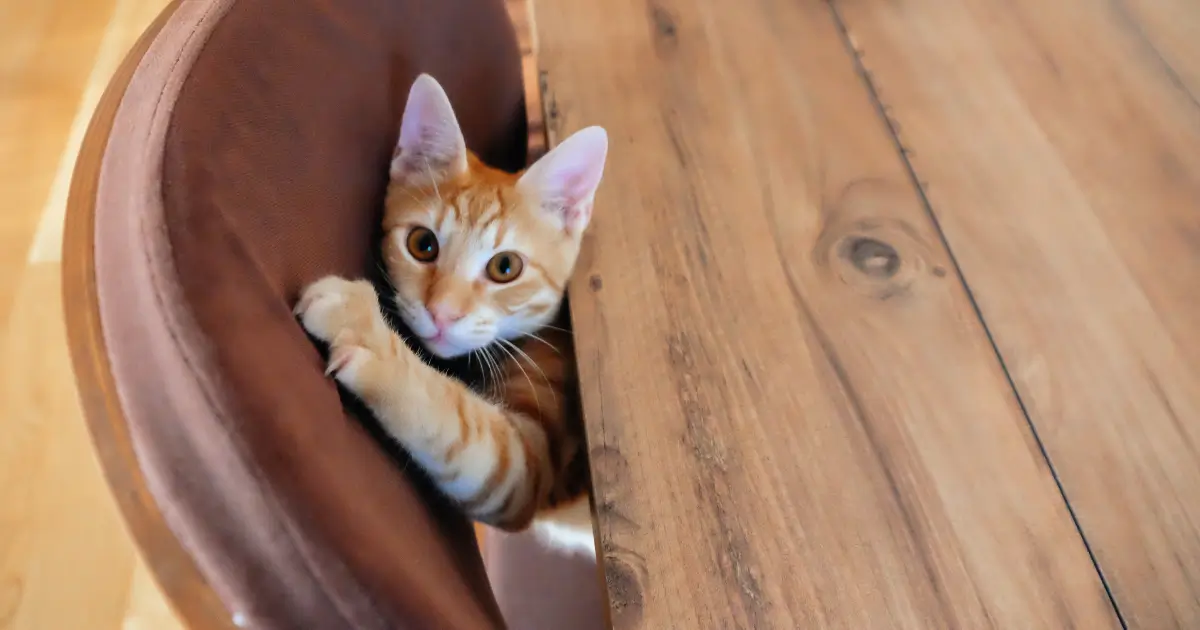
Scratching Furniture
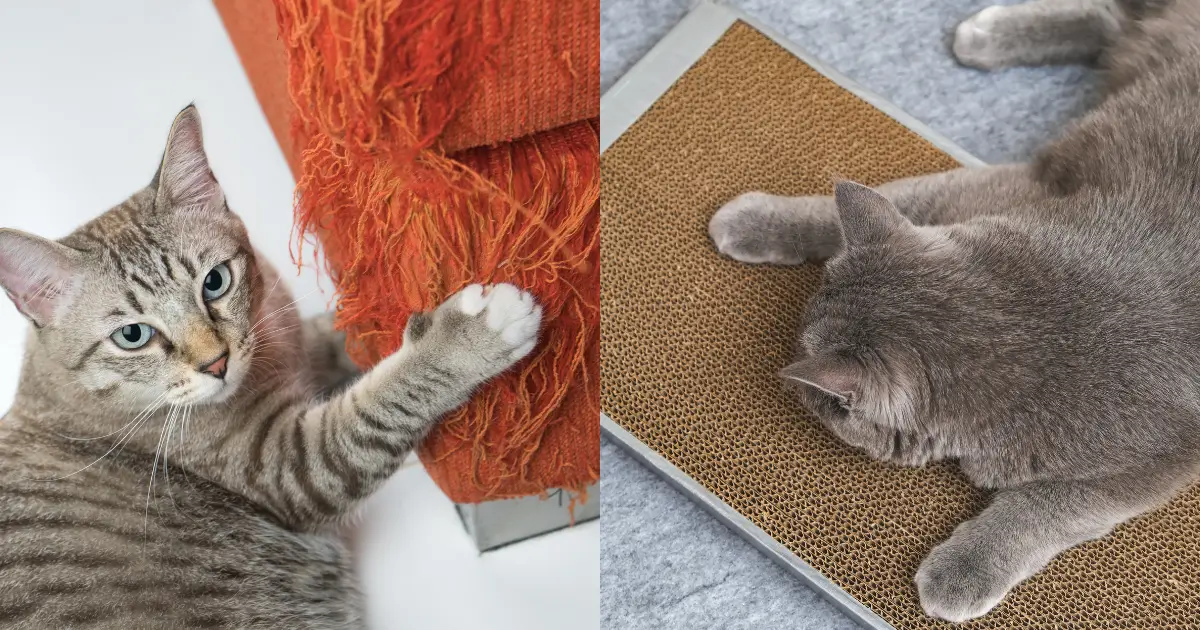
Scratching is a natural behavior for cats, but when it’s directed at your sofa or curtains, it can become frustrating. Cats scratch to sharpen their claws, mark territory, and stretch their muscles. This natural behavior also serves as a stress reliever and helps maintain their claws' health. For example, scratching enables cats to shed the outer layer of their claws, ensuring they stay sharp and functional. According to experts, scratching also helps cats relieve stress and maintain healthy claws. Learn more about cat behavior from trusted organizations like the ASPCA. Without appropriate outlets, this instinctive behavior can wreak havoc on your furniture.
Aggression
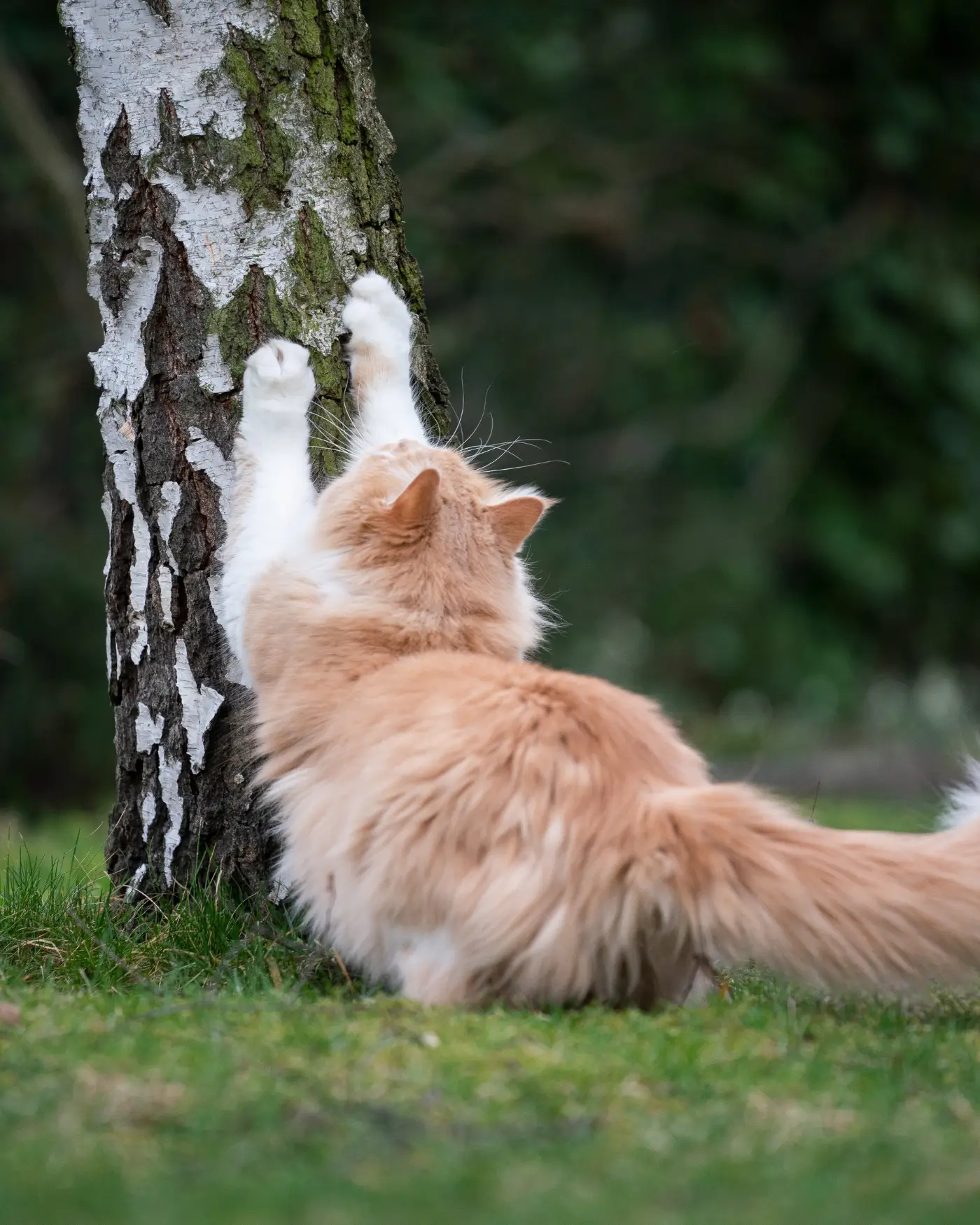
Aggression in cats can manifest in various forms, including territorial, redirected, or fear-based aggression. Territorial aggression occurs when a cat defends its perceived territory from other animals or humans. Redirected aggression happens when a cat is unable to attack the source of its frustration and instead lashes out at someone or something nearby. Fear-based aggression arises when a cat feels cornered or threatened, leading to defensive behaviors like hissing, swatting, or biting. A cat may hiss, swat, or even bite if they feel threatened or stressed. Understanding the type of aggression is key to addressing it effectively.
Litter Box Avoidance
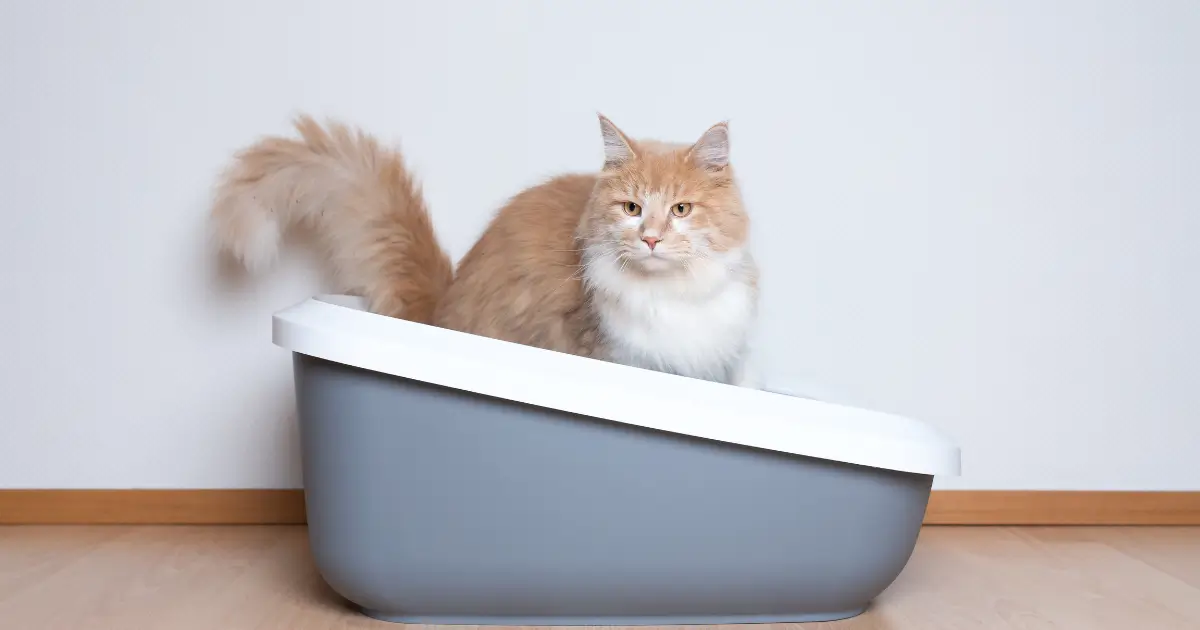
One of the most common complaints among cat owners is litter box issues. Cats may avoid the litter box due to medical conditions, a dirty box, or a poorly chosen location. Behavioral reasons like anxiety or territorial disputes can also play a role.
Excessive Meowing or Vocalization

Cats communicate through vocalization, but constant meowing can indicate underlying issues such as hunger, boredom, or medical conditions. For instance, Siamese cats, known for their vocal nature, often meow more frequently as part of their breed-specific behavior. Understanding these tendencies can help owners distinguish between normal and concerning vocalization patterns. Siamese and other vocal breeds are particularly prone to excessive meowing.
Nighttime Activity
Cats are naturally crepuscular, meaning they are most active during dawn and dusk. However, some cats exhibit excessive nighttime activity, disrupting their owner’s sleep. This can stem from boredom or lack of daytime stimulation.
Causes Behind Behavioral Problems
Medical Issues
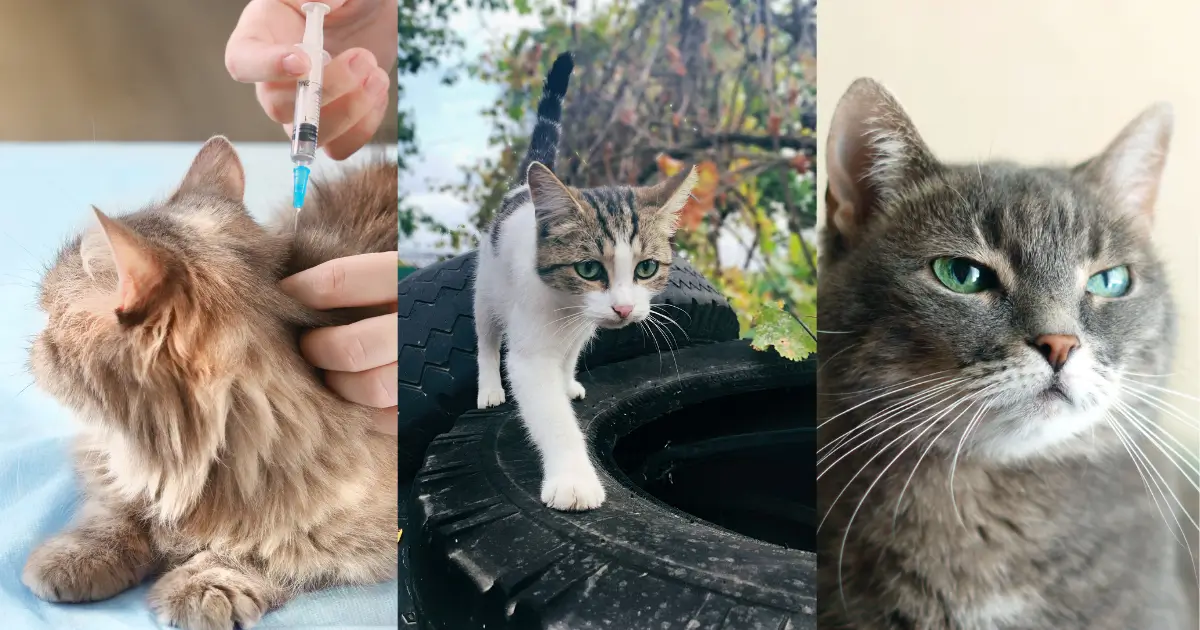
Behavioral changes are often the first sign of an underlying medical problem. For example:
- Arthritis or dental pain may cause aggression.
- Urinary tract infections can lead to litter box avoidance.
- Hyperthyroidism may result in excessive vocalization or restlessness.
Emotional Triggers
Cats are sensitive creatures, and emotional stress can trigger undesirable behaviors. Common triggers include:
- Changes in the household, such as moving, new pets, or new family members.
- Separation anxiety, especially in cats left alone for long periods.
Environmental Factors
An unstimulating environment can lead to boredom and destructive behaviors. Multi-cat households may also experience territory disputes, leading to aggression or litter box problems.
Solutions for Behavioral Problems
For Scratching Furniture
- Provide scratching posts or pads near areas your cat frequents.
- Use deterrents like double-sided tape or citrus-scented sprays on furniture.
- Encourage appropriate scratching with catnip or treats on the scratching post.
For Aggression
- Avoid punishment; instead, use positive reinforcement to encourage good behavior.
- Identify and eliminate triggers, such as overcrowding in multi-cat homes.
- Introduce calming pheromone diffusers to reduce stress.
For Litter Box Problems
- Clean the litter box daily and ensure there are enough boxes (one per cat plus one extra).
- Experiment with different types of litter and box designs.
- Place the box in a quiet, accessible location.
For Excessive Meowing
- Stick to consistent feeding schedules.
- Provide interactive toys and activities to keep your cat engaged.
- Rule out medical issues by consulting a veterinarian.
For Nighttime Activity
- Engage your cat in play sessions before bedtime.
- Offer a small meal before you go to sleep to mimic natural hunting cycles.
- Create a cozy sleeping area for your cat in a separate room if needed.
When to Seek Professional Help

Sometimes, addressing behavioral problems requires professional intervention. A consultation with a veterinarian or a certified cat behaviorist might include a physical examination to rule out medical issues, observing your cat’s behavior in different settings, or creating a tailored behavior modification plan. In some cases, they may recommend anti-anxiety medications or suggest environmental adjustments to reduce stress. Here’s when to consult a veterinarian or certified cat behaviorist:
- Sudden changes in behavior that could indicate medical issues.
- Severe aggression that poses a danger to humans or other pets.
- Persistent issues despite trying multiple solutions.
A professional can conduct a thorough assessment, recommend behavior modification plans, or prescribe medications if necessary.
Preventing Behavioral Problems
Routine and Predictability
Cats thrive on consistency. Feed, play, and groom your cat at the same times daily to create a sense of security.
Environmental Enrichment
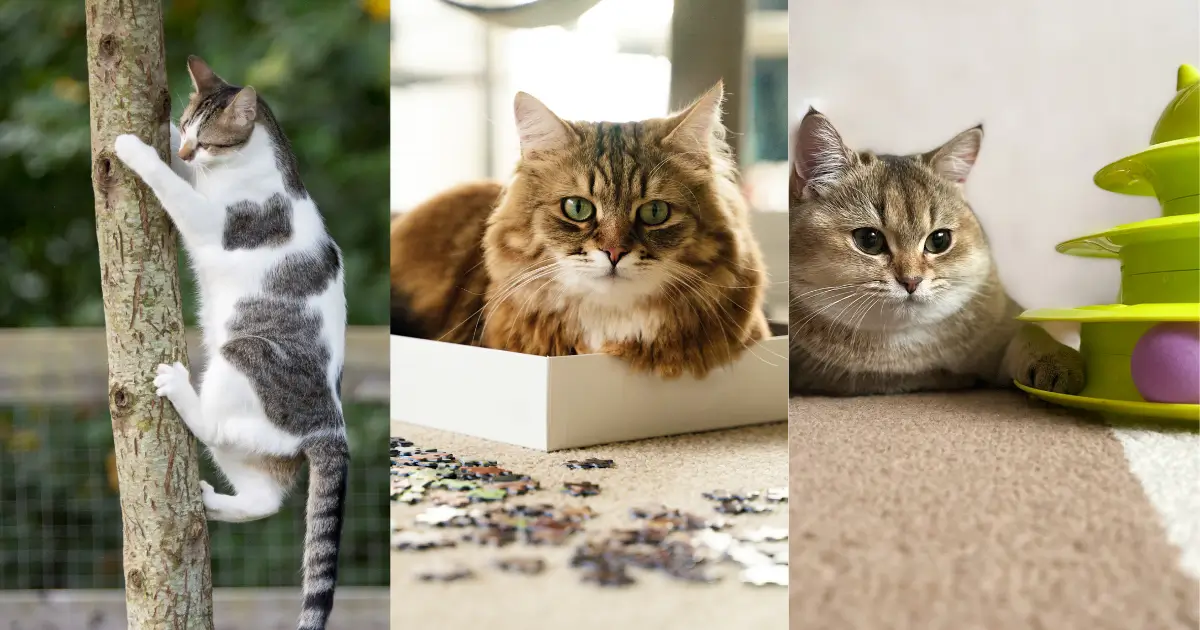
- Provide climbing trees, scratching posts, and interactive toys.
- Rotate toys regularly to keep your cat engaged.
- Use puzzle feeders to simulate hunting instincts.
Socialization
Expose your cat to different people, pets, and environments early in life to prevent fear or anxiety later on.
Health Maintenance
Regular vet check-ups and vaccinations are essential for catching medical issues early and ensuring your cat’s overall well-being.
Understanding and addressing your cat’s behavioral problems can transform your relationship with your feline friend. By identifying the root causes and implementing effective solutions, you can create a harmonious environment where both you and your cat thrive. Remember to stay patient and consistent throughout the process—your efforts will help foster a stronger bond and a happier home for your feline companion. If issues persist, don’t hesitate to seek professional help—your cat’s happiness and health depend on it. Share your experiences and solutions with fellow cat lovers on social media to help others navigating similar challenges.